




Key Takeaways
- A 2-1 appeals ruling allows the Pentagon to exclude Anthropic from defense work.
- Anthropic previously won a Pentagon agreement with a $200 million ceiling.
- A separate court order blocks broader restrictions Anthropic says could cost it billions.
Appeals Court Upholds Pentagon Exclusion
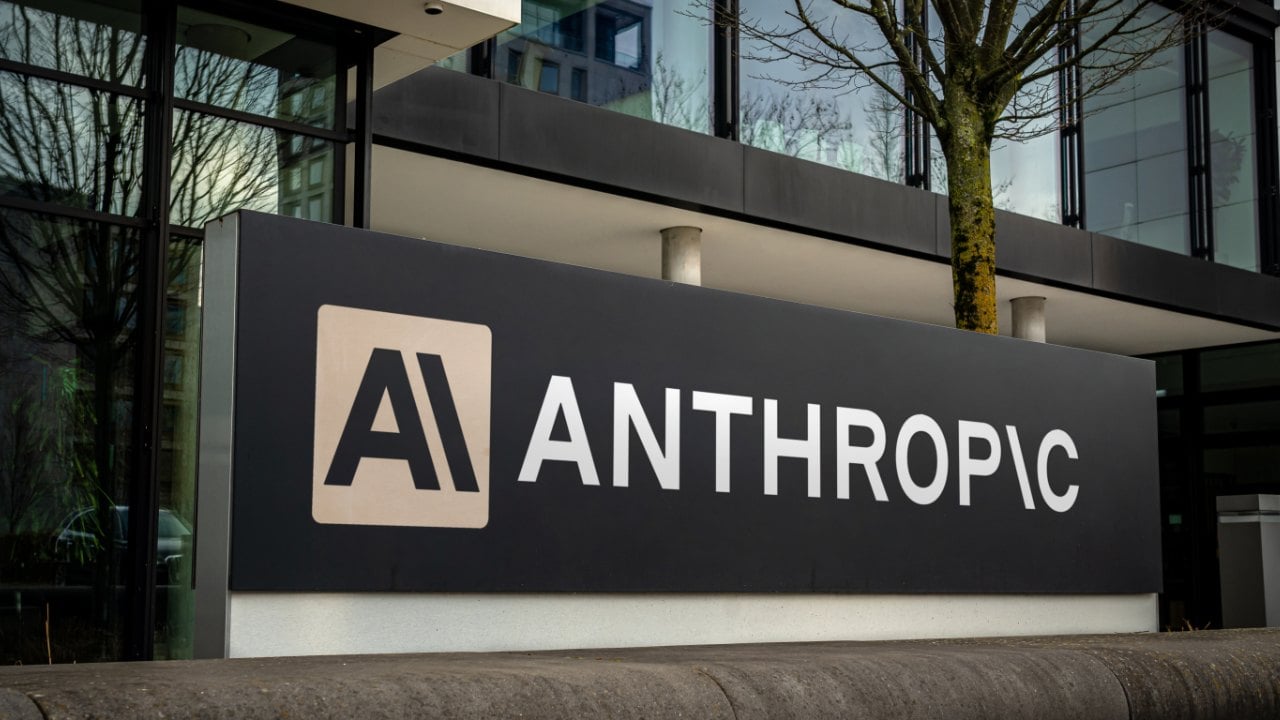
A federal appeals court on Sept. 25 rejected Anthropic’s challenge to the Pentagon’s decision to remove Claude from its supply chain. The 2-1 ruling permits the department to exclude Anthropic from its systems and bar contractors from using its products for Pentagon work. Anthropic entered the dispute with a two-year prototype agreement worth up to $200 million, awarded in July 2025. The figure was a ceiling, not an amount confirmed as paid.
The confrontation grew out of the Pentagon’s demand to use Claude for all lawful purposes. Anthropic refused to remove limits on lethal autonomous warfare and mass domestic surveillance. The appeals court accepted the Pentagon’s concern that those restrictions could prevent Claude from performing requested tasks. Anthropic has also cited harm to its reputation from the supply chain risk designation.
The potential financial exposure extends beyond the $200 million Pentagon agreement, but its larger estimate is conditional. In a separate case, Anthropic estimated that reinstating broader government restrictions would cut its defense contractor and other Pentagon-related revenue by 50% to 100% and reduce total 2026 revenue by multiple billions of dollars. A California judge blocked those broader measures in an Aug. 27 order. The projected billions are not a verified loss already incurred.
The California decision on the wider restrictions remains separate from Friday’s appeals ruling. The cases concern different government actions and statutory powers. The California order does not require the Pentagon to use Claude, and the appeals decision does not establish a government-wide ban.
Investors Face a Government Revenue Question
Anthropic is reportedly aiming for a November IPO, later than the October debut many investors expected. Prospective buyers have anticipated a valuation of about $2 trillion and an offering that could raise up to $100 billion. The Pentagon ruling gives them a specific issue to assess: how much future government-related business Anthropic can retain under the narrower exclusion and the separate California order.
Anthropic is discussing the IPO with prospective investors, while Nvidia has considered an anchor investment of up to $10 billion. Those talks were preliminary. No offering price has been set, and the court ruling has not established a reduction in the reported $2 trillion expectation. The company’s financial disclosures and investor demand will determine whether that valuation holds.
Pre-IPO Contracts Are Not Anthropic Shares
Some crypto traders have placed bets tied to Anthropic’s prospective value through pre-IPO perpetual contracts. The contracts have implied valuations around $2 trillion, but they do not represent Anthropic shares. Their figures depend partly on assumed share counts and cannot establish the price of the eventual stock offering.
Perpetual futures are derivatives, allowing traders to take positions without owning the underlying asset. An Anthropic-linked contract can trade before the company sells public shares, but holding it confers no ownership or shareholder rights. Its market price reflects traders’ expectations, while the reported $2 trillion valuation remains an expectation until the company sets offering terms and prospective stock buyers agree to a price.